
To meet the complex challenges of cooperation, Com4Dev mobilizes approaches that emphasize participation, collective learning and social innovation.
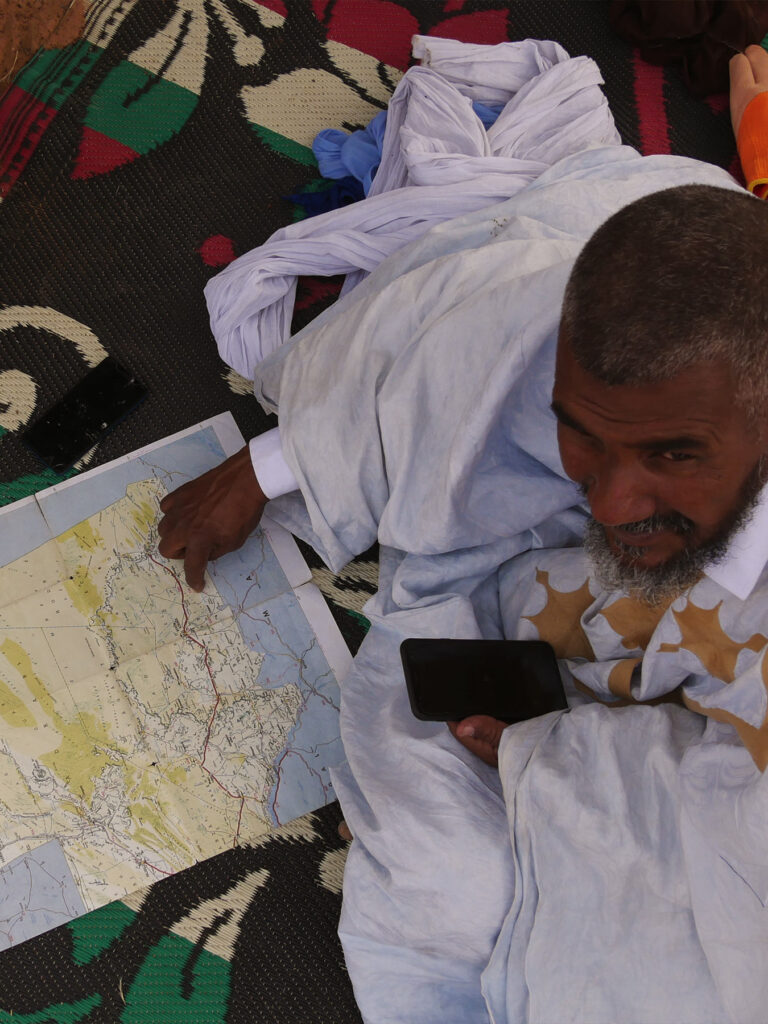
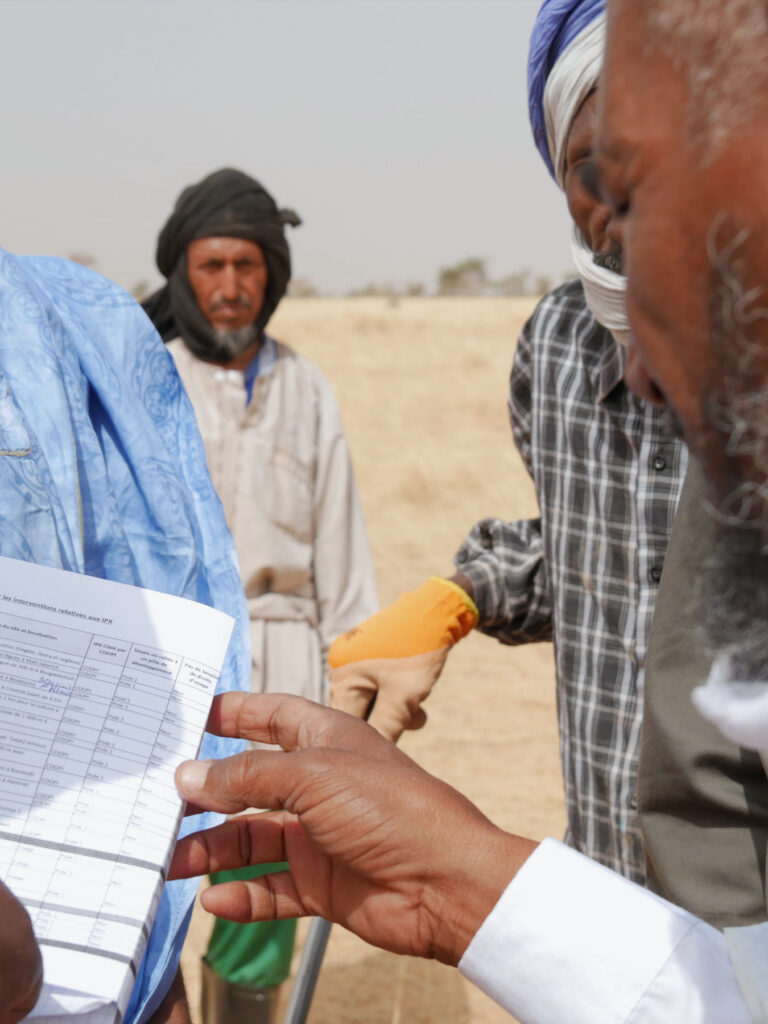
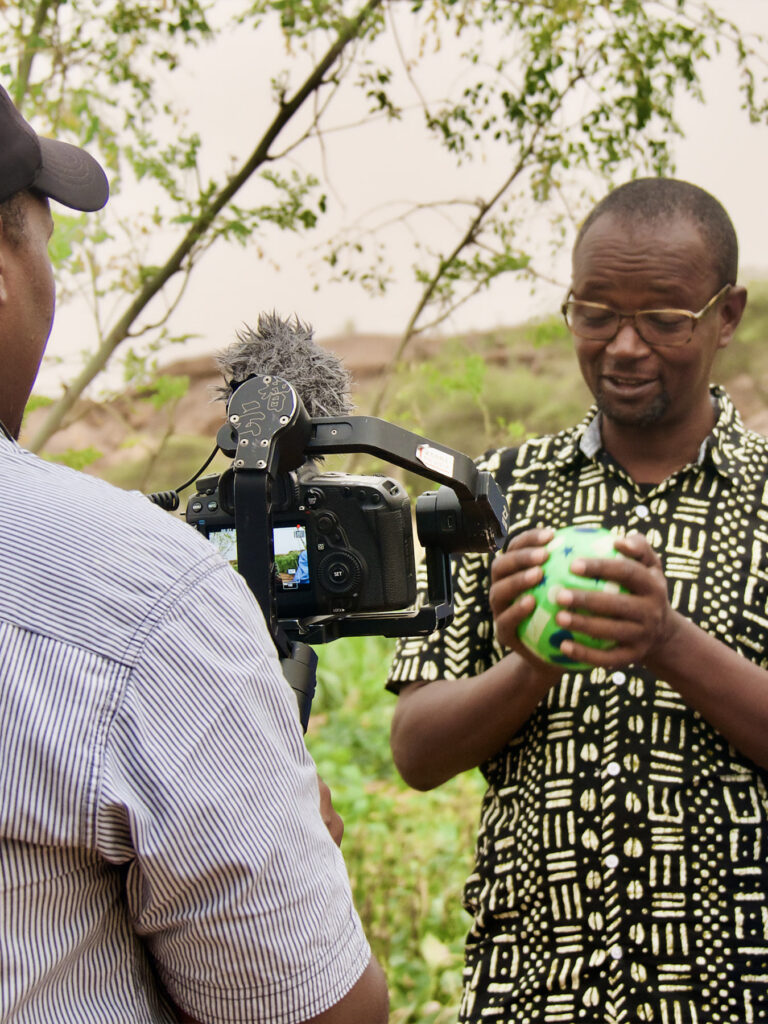
Development communication, knowledge management, education for citizenship and international solidarity, change-oriented approaches: these are all methodological frameworks that enable us to design, manage and evaluate projects with their stakeholders, not for them. These methodologies form the common foundation that guides all our actions.
Communication for development (C4D) uses social engineering methods to integrate knowledge management into projects, enhance the value of local knowledge, promote concerted action, empower strategic project groups, capitalize on the latter and create communities of reflection and action around shared objectives.
It’s not a corporate communications or public relations campaign…
Communication for development (C4D) is about impact
Knowledge management is at the heart of international cooperation. It refers to all the processes and practices aimed at identifying, capturing, organizing, sharing and effectively disseminating the knowledge and experience accumulated in development projects and programs.
It encompasses several important dimensions
Education for Citizenship and International Solidarity (ECSI), also known as Global Citizenship Education (GCE), is an educational process designed to foster individual and collective contribution to a just, united and sustainable world. A WCE action must elicit a reaction from participants. Once the elements of understanding have been assimilated, action must be both enlightened and encouraged.
The ingredients of ECSI
Com4Dev favors change-oriented approaches to ensure that the results of its actions are fully visible and qualifiable for all stakeholders.
These approaches combine a variety of methodologies that enable consultation on objectives and ownership of change processes by stakeholders, and reinforce the sustainability of results, towards more systemic impacts.
Methodologies used